Living on Johns Island SC: What to Know Before You Build or Buy
Johns Island is the largest island in South Carolina and one of the last large land reserves in the greater Charleston area. It's a place where ancient live oaks line two-lane roads, farms and marshes coexist with growing residential neighborhoods, and the pace of life genuinely slows down relative to the rest of the Lowcountry.
It's also increasingly misunderstood. As more people discover it, more homes are being built — and not everyone walks in with an accurate picture of what life on Johns Island is actually like.
Here's an honest guide for anyone thinking about building or buying here.
What Makes Johns Island Appealing
Space and land. Lots on Johns Island are generally larger — and more affordable — than comparable lots in Mount Pleasant, Daniel Island, or downtown Charleston. If you want a few acres, a private setting, a large yard, or a rural feel that's still 20–30 minutes from downtown, Johns Island delivers.
Natural beauty. The island's landscape is genuinely spectacular: ancient live oaks, tidal marshes, the Stono and North Edisto rivers, and pockets of old-growth forest. If the natural environment matters to you, few places in the Charleston area match it.
Affordability relative to other areas. Land is less expensive here than across the bridge in Kiawah or down the road in James Island. New construction homes on Johns Island tend to offer more square footage per dollar.
A sense of community. The island has its own character — a mix of longtime locals, farmers, newer residents, and families who chose it deliberately for the lifestyle it offers. Local businesses, farms, and restaurants have built a genuine community feel.
The Honest Challenges
Traffic on Maybank Highway. This is the real one. Maybank Highway and the other two-lane roads connecting Johns Island to James Island and to Kiawah can be genuinely congested during peak hours. The bridge situation means traffic backs up. If you work in downtown Charleston or need to commute regularly, honestly assess your tolerance for a 30–50 minute commute each way in traffic.
Flooding and flood insurance. Much of Johns Island is in FEMA-designated flood zones. This affects home construction requirements, insurance costs, and how your home must be built. Flood insurance in AE and VE flood zones can run $2,000–$8,000 or more annually depending on your home's elevation relative to the base flood elevation.
Infrastructure variability. Not all of Johns Island has public water and sewer. Many parcels — particularly further from the main corridors — rely on well water and septic systems. These work fine when properly maintained, but they add complexity and ongoing maintenance responsibility.
Power reliability. Johns Island has experienced more frequent and longer-duration power outages than more urban areas. A backup generator is more of a necessity than a nice-to-have for homes here.
Land due diligence. The island's geography means extensive wetlands on many parcels. A lot that looks like 5 acres on the tax map may have only 1–2 acres of actually buildable land after wetland delineation. We strongly encourage a wetlands survey and soil assessment before purchasing any raw land here.
Building on Johns Island: Key Considerations
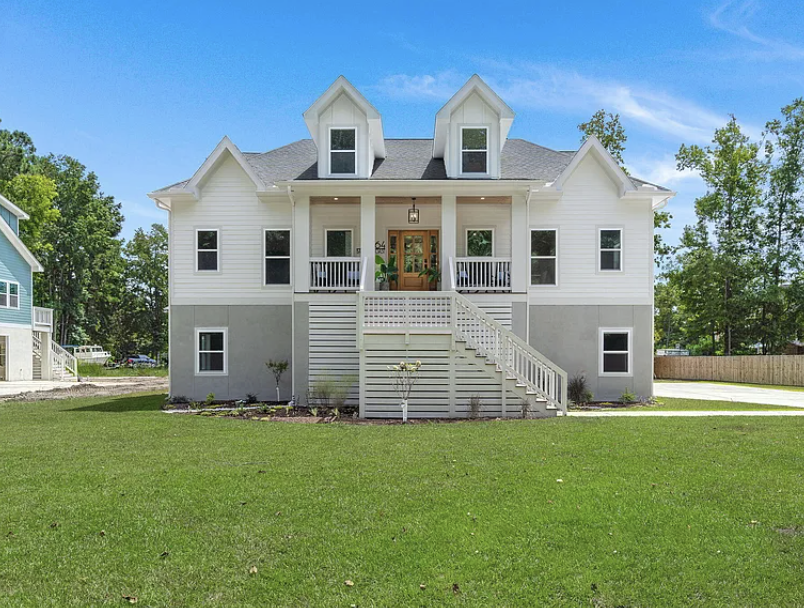
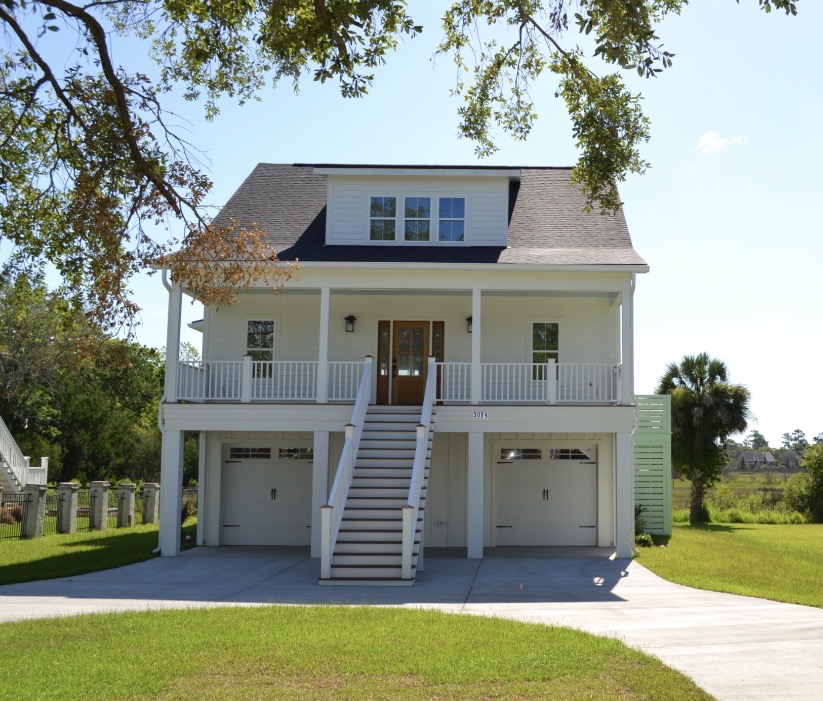
Foundation and elevation. Many parts of the island require elevated construction — either because of flood zone requirements or because of soft soil conditions. Piling foundations are common and add to construction cost but are necessary for long-term durability and flood compliance.
Well and septic. If public utilities aren't available at your site, you'll need DHEC approval for a septic system. Not all soils on the island will support a conventional septic system — a perc test or advanced soil evaluation is necessary before you commit to a lot.
Builder experience matters. Not every Charleston-area builder has experience with the specific conditions on Johns Island — flood zone compliance, piling foundations, wetlands navigation, and the various permitting jurisdictions. Work with a builder who knows the island.
HOA or no HOA? Unlike Daniel Island (which is an HOA community), Johns Island has both HOA communities and completely unregulated rural parcels. Know what you're buying — both have advantages.
Neighborhoods and Communities on Johns Island
- Kiawah River — A newer master-planned community at the island's southern end. High-end homes, amenities, and natural preservation areas.
- Stonoview — An established waterfront community on the Stono River.
- Brownswood and other established subdivisions — Mid-range neighborhoods with more urban feel
- Rural/agricultural areas — Larger parcels, more privacy, but more infrastructure responsibility
Is Johns Island Right for You?
Johns Island is a great fit if you value space, privacy, natural beauty, and a slower pace — and you can honestly live with the traffic reality and some infrastructure limitations.
It's a less good fit if you need a short commute, if proximity to restaurants and shopping matters daily, or if the variability of rural living sounds more stressful than relaxing.
The people who love Johns Island tend to love it fiercely. The ones who move away usually knew before they committed that it wasn't the right fit — they just hoped it would be.
Southern Harbor Construction on Johns Island
We build custom homes and renovations on Johns Island regularly. We know the permitting jurisdictions, the soil conditions, the flood zone requirements, and the contractors who work reliably on the island.
If you're evaluating land or a building opportunity on Johns Island, we're happy to take a look with you — or if you're ready to start planning a build, schedule a consultation with our team.
Free Resources From Southern Harbor
Ready to Start Your Custom Home Project?
Let's discuss how Southern Harbor Construction can bring your Charleston project to life with our design-build expertise and custom home building.
Schedule a Consultation