Understanding Hurricane-Resistant Construction in the Lowcountry
Living in Charleston, SC, offers a lifestyle few places can match. From the historic cobblestone streets to the sprawling marsh views of the Lowcountry, it is a dream location for many. However, as any local knows, living on the coast means sharing our beautiful landscape with hurricane season.
Building a custom home in this region requires more than just an eye for architectural design; it demands a deep understanding of resilient engineering. At Southern Harbor Construction, we specialize in elevated coastal homes designed to weather the storm, giving you year-round peace of mind. Here is a look at what goes into hurricane-resistant construction in the Lowcountry and how you can build a home that stands strong against the elements.
1. The Foundation of Safety: Elevation
In Charleston and the surrounding barrier islands, water is often the biggest threat during a hurricane. Storm surge can raise sea levels dramatically in a matter of hours. This is why elevated coastal homes are not just a stylistic choice—they are a necessity.
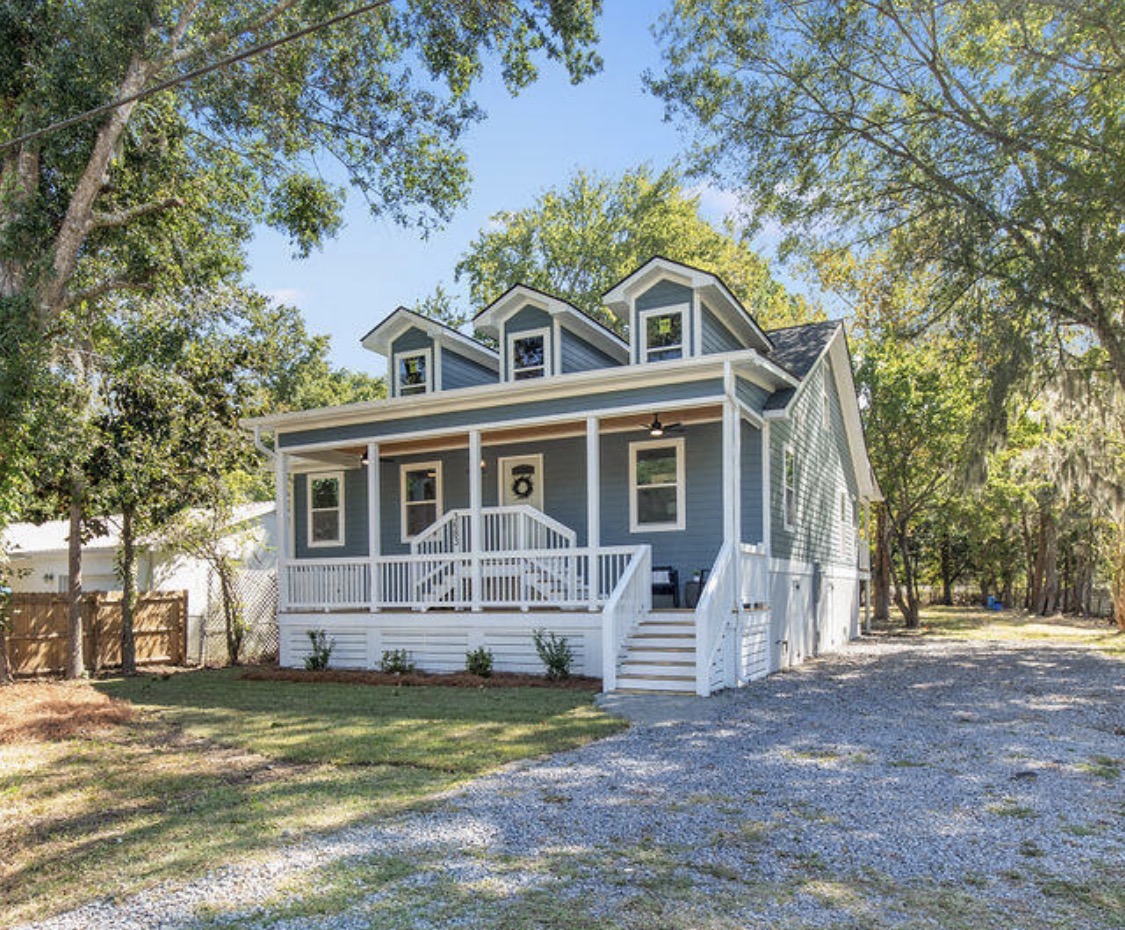
Building a home on pilings or a raised foundation allows storm surge and tidal waters to flow beneath the living space rather than against it. When designing your home, it is crucial to adhere to (and ideally exceed) FEMA guidelines and local Base Flood Elevation (BFE) requirements. Additionally, using breakaway walls on the ground level allows these panels to break away under stress, preventing structural damage to the main living quarters above.
2. Fortifying the Roof
High winds are the defining characteristic of a hurricane, and your roof takes the brunt of the impact. A hurricane-resistant roof is designed to keep wind from getting underneath the roofing materials and lifting them off.
- Roof Shape: Hip roofs (which slope on all four sides) generally perform better in high winds than gable roofs, which have flat ends that can catch wind like a sail.
- Hurricane Straps: These metal connectors tie the roof trusses to the wall studs, creating a continuous load path from the roof down to the foundation.
- Secondary Water Barrier: If shingles are blown off, a secondary water barrier (like a self-adhering underlayment) prevents water from seeping into your home’s interior.
At Southern Harbor Construction, we meticulously engineer our roof structures to ensure they can withstand the powerful updrafts and wind shear common in Lowcountry storms.
3. Impact-Resistant Windows and Doors
When wind blows debris into a standard window, the glass shatters, causing a sudden change in internal pressure. This pressure change can literally blow the roof off your home. Impact-resistant windows are engineered with a shatter-resistant membrane between two panes of glass. If struck by flying debris, the glass may spider-web, but it will stay in place, keeping the wind out.
Pairing these windows with heavy-duty, impact-rated doors and a reinforced garage door ensures that your home’s envelope remains intact during a severe weather event.
4. Choosing the Right Coastal Materials
The Lowcountry environment is uniquely harsh on building materials. The combination of high humidity, salt air, and driving rain means that standard construction materials will degrade rapidly.
- Corrosion-Resistant Hardware: All exposed metal, including nails, screws, and brackets, should be stainless steel or hot-dipped galvanized to prevent rust.
- Moisture-Resistant Siding: Fiber cement siding, like Hardie board, is highly popular in Charleston because it resists moisture, rot, and wind-driven rain while offering the look of traditional wood.
- Treated Lumber: Any wood used in framing or exterior applications should be treated to resist rot and termites, which are also prevalent in South Carolina.
Building Peace of Mind
Building a hurricane-resistant home isn't just about meeting local building codes; it is about exceeding them to protect your family and your investment. By focusing on strategic elevation, reinforced roofing, impact-rated openings, and durable coastal materials, you can enjoy the beauty of the Charleston coast without the constant anxiety of hurricane season.
If you are considering building a custom home in the Lowcountry, partner with a team that understands the unique demands of coastal living. At Southern Harbor Construction, we combine stunning architectural design with uncompromising structural integrity. Contact us today to start planning a home that is as safe as it is beautiful.
Free Resources From Southern Harbor
Ready to Start Your Custom Home Project?
Let's discuss how Southern Harbor Construction can bring your Charleston project to life with our design-build expertise and custom home building.
Schedule a Consultation